The BioFire® FilmArray®
Gastrointestinal (GI) Panel

With overlapping symptoms, distinguishing possible causes of gastroenteritis can be challenging for any clinician. To further complicate diagnosis, traditional testing methods are slow, labor intensive, and fail to reveal the etiology of a patient’s gastrointestinal symptoms.1 Fortunately, syndromic testing from the BioFire GI Panel eliminates limitations from conventional methods by providing, faster, more accurate, and comprehensive results.


22 Targets. 1 Test. ~1 Hour.

The FDA-cleared BioFire GI Panel tests for 22 of the most common pathogens associated with gastroenteritis—all from one patient sample and one easy to use reagent, with results available in about one hour.

THE BIOFIRE GI PANEL MENU

Overall 98.5% Sensitivity and 99.2% Specificity2
Sample Type: Stool in Cary Blair medium

BACTERIA:

  • Campylobacter (C. jejuni / C. coli / C. upsaliensis)
  • Clostridioides (Clostridium) difficile (toxin A/B)
  • Plesiomonas shigelloides
  • Salmonella
  • Yersinia enterocolitica
  • Vibrio (V. parahaemolyticus / V. vulnificus / V. cholerae)
    • Vibrio cholerae

DIARRHEAGENIC ESCHERICHIA COLI/SHIGELLA:

  • Enteroaggregative E. coli (EAEC)
  • Enteropathogenic E. coli (EPEC)
  • Enterotoxigenic E. coli (ETEC) lt/st
  • Shiga-like toxin-producing E. coli (STEC) stx1/stx2
    • E. coli O157
  • Shigella/Enteroinvasive E. coli (EIEC)

PARASITES:

  • Cryptosporidium
  • Cyclospora cayetanensis
  • Entamoeba histolytica
  • Giardia lamblia

VIRUSES:

  • Adenovirus F40/41
  • Astrovirus
  • Norovirus GI/GII
  • Rotavirus A
  • Sapovirus (I, II, IV, and V)

“I have extensive experience with the [BioFire FilmArray]. I truly believe that [it is] absolutely essential in my clinical practice. The information can assist in antibiotic stewardship…it is rapid and accurate.”

– Marian Regional Medical Center Santa Maria, CA

Clinical Benefits

Because traditional stool testing methods are slow and lack sensitivity, clinicians often have to make patient management decisions without a laboratory result. Syndromic testing from the BioFire GI Panel offers fast sample-to-answer turnaround and accurate results, which can:

  • Reduce antibiotic use3
  • Reduce time to antimicrobial therapy4
  • Lead to more targeted therapy4
  • Reduce downstream procedures such as endoscopies and abdominal imaging3

17% more targeted therapy4

Antibiotic prescriptions were 11% less likely3

Workflow Benefits

The BioFire GI Panel can streamline workflow by providing faster and more comprehensive test results. Compared to traditional diagnostic methods, syndromic testing from the BioFire GI Panel can:

  • Reduce the number of laboratory tests on average from 3 to 15
  • Potentially reduce the number of send-out tests
  • Reduce the average time to result by 84%5

Faster Turnaround Time6

61 hrs

Traditional methods

1.7 hrs

BioFire GI Panel

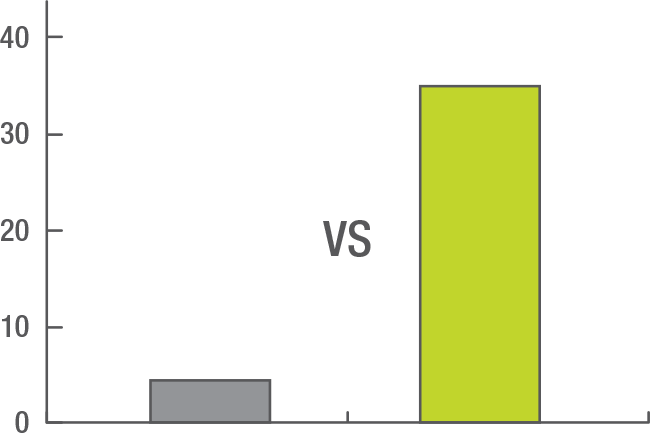
Higher Detection Rate4

6%

Traditional methods

35%

BioFire GI Panel

Who Should Be Tested?

Guidelines from American College of Gastroenterology and Infectious Disease Society of America:

  • Individuals at high risk of spreading disease to others and during known or suspected outbreaks.1
  • Individuals presenting with:1,7
    • Dysentery
    • Diarrhea with fever, severe abdominal cramps, or signs of sepsis
    • Moderate to severe disease
    • Symptoms lasting more than seven days
    • Immunocompromised patients with diarrhea

“Due to the extensive panel of targeted pathogens and the rapid turnaround time, the [BioFire] GI Panel has the potential to direct appropriate therapy and infection control precautions”

– Nebraska Medical Center, Omaha, NE

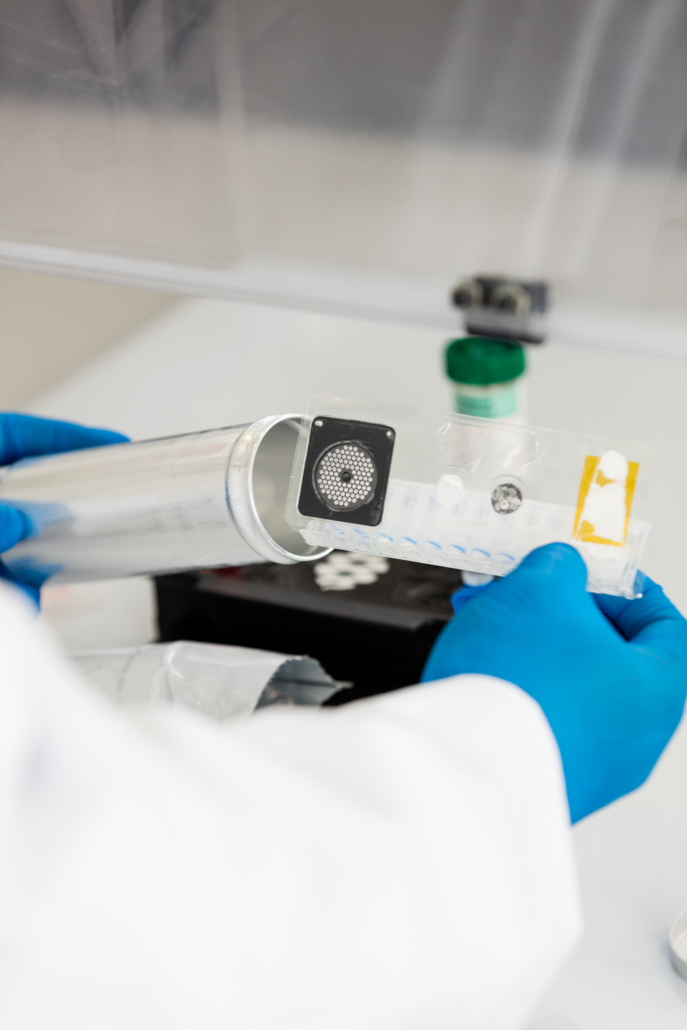
Person holding a BioFire® syndromic pouch.

How to Order Reagents

To order the BioFire GI Panel, contact your regional sales representative or use the following contact information:

Product Information

Product NamePart NumberQuantity
BioFire GI Panel ReagentsRFIT-ASY-01046-Pack
BioFire GI Panel ReagentsRFIT-ASY-011630-Pack

Request a BioFire FilmArray System Demo

Are you ready to order the BioFire FilmArray System or want to request a free demo? Click below to take the next step towards faster results. Our team is ready to answer all of your questions.

Don’t Guess. Know.

We take a molecular approach to in vitro diagnostic testing. The BioFire GI Panel uses multiplex PCR technology to quickly and accurately identify infectious agents that produce similar symptoms in patients. It’s more sensitive than culture and more efficient than individual and send-out tests.

Learn more about syndromic infectious disease testing from BioFire

Webinars

Publications and Posters

Supporting Documents

Pneumonia

Respiratory

Meningitis

Blood Culture ID

Joint Infection

Product availability varies by country. Consult your bioMérieux representative.

References:

  1. Riddle MS, DuPont HL, Connor BA. 2016. ACG Clinical Guideline: Diagnosis, Treatment, and Prevention of Acute Diarrheal Infections in Adults. Am J Gastroenterol. 111:602–622.
  2. Stated sensitivity and specificity is the aggregate performance from the prospective clinical study data presented in the BioFire Gastrointestinal Panel Instruction Booklet.
  3. Axelrad JE, Freedberg DE, Whittier S, Greendyke W, Lebwohl B, Green DA. Impact of Gastrointestinal Panel Implementation on Healthcare Utilization and Outcomes. J of Clin. Microbiology. 2019; 27;57(3). e01775-18.
  4. Cybulski R, Bateman A, Bourassa L, Bryan A, Beail B, Matsumoto J, Cookson B, Fang FC; Clinical impact of a Multiplex Gastrointestinal PCR Panel in Patients with Acute Gastroenteritis. 2018. Clinical Infectious Diseases, ciy357, https://doi.org/10.1093/cid/ciy357.
  5. Beal S., Tremblay E., Toffel S., Velez L., Rand K. A gastronintestinal PCR panel improves clinical management and lowers healthcare costs. J. Clin. Microbiol. January 2018 56:1 e01457-17.
  6. Beard K, et al. The impact of routine molecular point-of-care testing for gastrointestinal pathogens in adults hospitalised with suspected gastroenteritis: interim results of a pragmatic randomised controlled trial (GastroPOC). ECCMID 2019.
  7. Shane A, Rajal M, Crump J, Tarr P, Steiner T, Kotloff K, Langley J, Wanke C, Warren C, Cheng A, Cantey J, Pickering L. 2017. Infectious Diseases Society of America clinical practice guidelines for the diagnosis and management of infectious diarrhea. Clin Infect Dis. 65(12):e45–e80.