The BioFire® Respiratory 2.1
(RP2.1) Panel

SARS-CoV-2 is a top concern for patients and clinicians, but several respiratory pathogens can cause nearly indistinguishable symptoms. The FDA De Novo authorized BioFire RP2.1 Panel is a frontline test to help clinicians quickly diagnose respiratory infections, including COVID-19, influenza, RSV, and many others.

Click here for information on BioFire’s additional COVID-19 solutions.

BioFire® RP panel logo large.

1 Test. 22 Targets. ~45 Minutes.

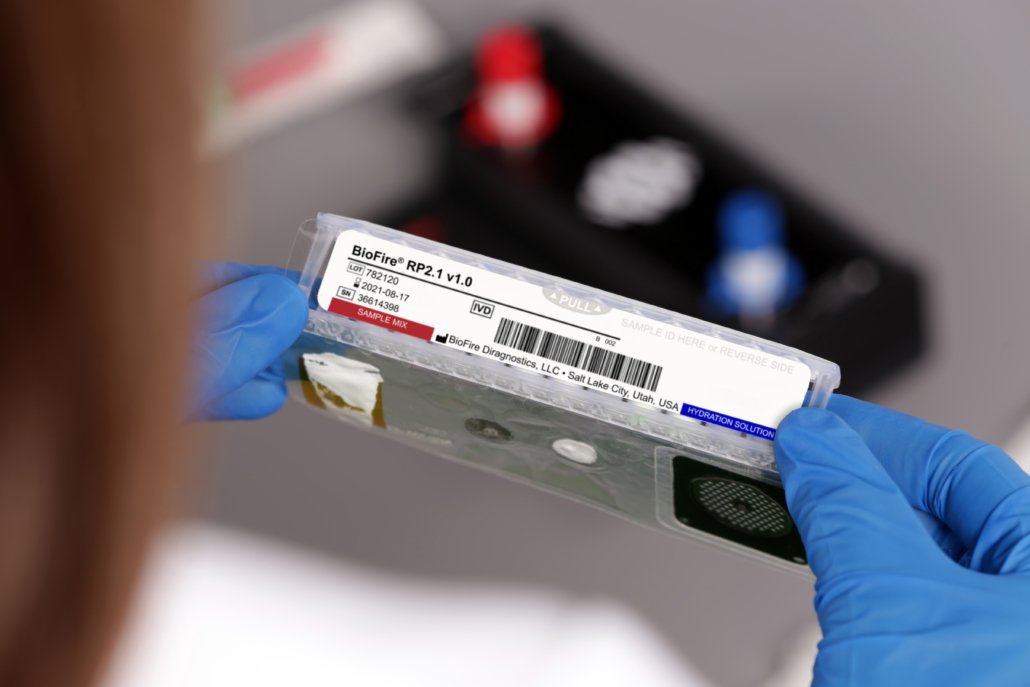
The BioFire RP2.1 Panel uses a syndromic approach to accurately detect and identify the pathogens most commonly associated with respiratory infections. Fast and comprehensive, the BioFire RP2.1 Panel offers a run time of about 45 minutes, enabling high efficiency and throughput on the BioFire® FilmArray® 2.0 and the BioFire® FilmArray® Torch Systems. Rapid respiratory PCR test results may enable better-informed diagnosis and treatment of patients. Quick turnaround on a broad menu of pathogens may also help clinicians make vital decisions regarding admission, isolation, cohorting, and additional diagnostic testing.

THE BIOFIRE
RESPIRATORY 2.1 PANEL MENU

Overall 97.1% sensitivity and 99.3% specificity (prospective specimens) 1
SARS-CoV-2 98.4% PPA and 98.9% NPA2
Sample Type: Nasopharyngeal swab in transport media or saline

VIRUSES:

● Adenovirus
● Coronavirus 229E
● Coronavirus HKU1
● Coronavirus NL63
● Coronavirus OC43
Severe Acute Respiratory Syndrome Coronavirus 2 (SARS-CoV-2)
● Human Metapneumovirus
● Human Rhinovirus/Enterovirus
● Influenza A virus
● Influenza A virus A/H1
● Influenza A virus A/H3
● Influenza A virus A/H1-2009
● Influenza B virus
● Parainfluenza virus 1
● Parainfluenza virus 2
● Parainfluenza virus 3
● Parainfluenza virus 4
● Respiratory syncytial virus

BACTERIA:

● Bordetella parapertussis
● Bordetella pertussis
● Chlamydia pneumoniae
● Mycoplasma pneumoniae

COVID-19 and the Value of the Syndromic Approach

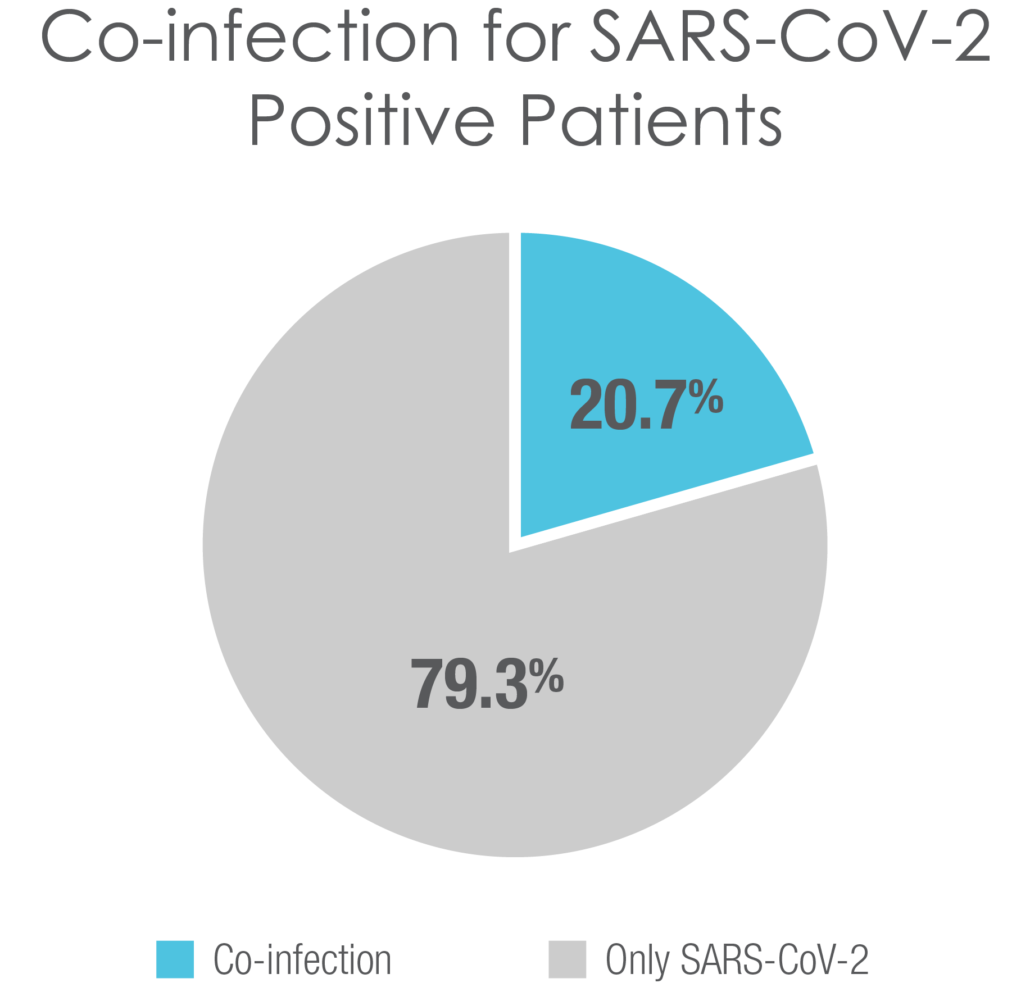
Study results suggest higher rates of co-infection between SARS-CoV-2 and other respiratory pathogens than previously reported. In some cases, as many as 20% of COVID-19 patients have co-infections with another respiratory virus.3 Because respiratory symptoms are similar and overlapping, a syndromic panel can provide fast, comprehensive answers and take the guesswork out of choosing which pathogens to test for.

Improve Clinical Outcomes

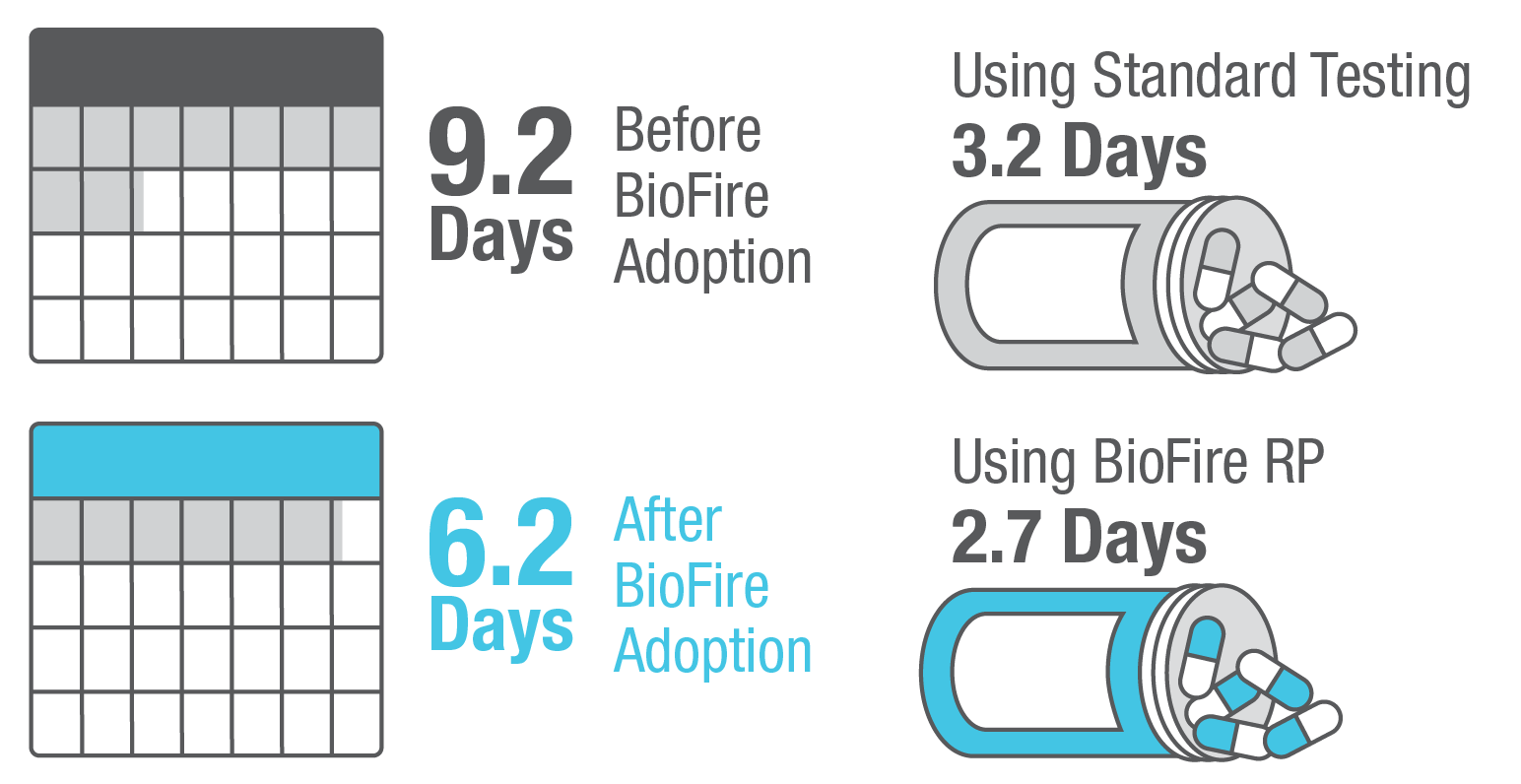
The BioFire® FilmArray® Respiratory Panels have has been shown to significantly reduce ICU days3 and duration of antibiotic use.4 Optimize patient management with clinically actionable results.

Mean ICU Days
per ICU Visit3
Duration of
Antibiotics Use4

“Getting an answer within an hour is something that’s very powerful to clinicians: it gives us actionable information right away.”

– Tufik Assad, MD, MSCI, Pulmonary and Critical Care Physician

How to Order Reagents

To order BioFire’s in vitro diagnostic respiratory panels, contact your regional sales representative or use the following contact information:

Product Information

Product NamePart NumberQuantity
BioFire RP2.1 Panel42374230 Pouch Kit

Don’t Guess. Know.

The typical symptoms of a respiratory infection can be caused by many viruses and bacteria. Remove the guesswork with syndromic testing from BioFire. The BioFire® FilmArray® Panels combine several possible pathogens into one rapid test, with results in about an hour. BioFire’s multiplex PCR technology is more sensitive than culture and can help inform timely optimal therapy.

Learn more about syndromic infectious disease testing from BioFire

Webinars

Publications and Posters

Supporting Documents

Pneumonia

Gastrointestinal

Meningitis

Blood Culture ID

Joint Infection

Product availability varies by country. Consult your bioMérieux representative.

References:

  1. Based on the prospective portion of the clinical study for the BioFire® FilmArray® Respiratory 2 Panel
  2. Overall performance based on prospective SARS-COV-2 clinical study for the BioFire® Respiratory 2.1 Panel in comparison to 3 EUA tests, Data on file, BioFire Diagnostics.
  3. Martinez R, et al. Clinical Virology Symposium, Poster #C-368, May 2016.
  4. Rogers B, et al. Arch. Path. & Lab. Med. 2015;139(5): 636-41.